
Product Guide
PRODUCT GUIDE
Understand the potency and profile of peptides
Welcome to our educational center. Before purchasing, we highly recommend that you take a few minutes to explore our product guides and watch informative videos about the compound you are interested in.
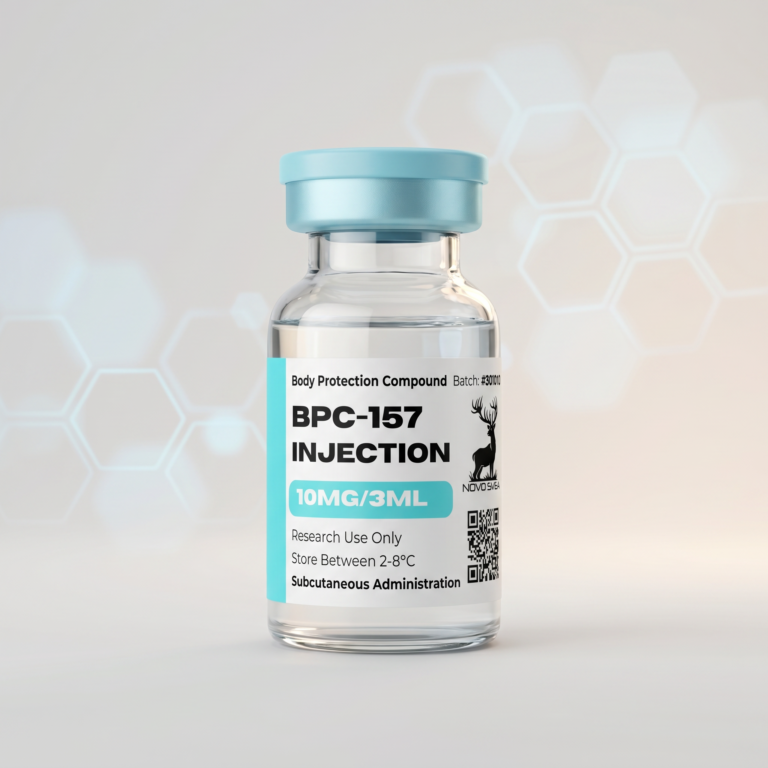
BPC-157: Peptide for tissue recovery and renewal
Overview
BPC-157 (Body Protection Compound) is a popular peptide derived from a protein found in human gastric juice. It has gained immense popularity in the fitness and recovery community due to its purported potential to accelerate the healing of various tissues, which is why it is often mentioned in the context of recovery from persistent injuries.
How it works
BPC-157 primarily works by promoting angiogenesis – the formation of new blood vessels. This process can increase blood flow and delivery of nutrients to damaged areas, which can contribute to the tissue regeneration process.
Key Benefits (What to Expect)
- Faster tissue healing: Can contribute to the recovery process of muscles, tendons, ligaments and skin.
- Support for joints and inflammation: It can contribute to the reduction of inflammatory processes in the tissues and support joint mobility.
- Intestinal health and protection: May contribute to preserving the integrity of the stomach and intestinal mucosa.
Understanding side effects (what to look out for)
Although BPC-157 is described in some sources as well tolerated, it is important to note that data on its safety in humans are limited. Potential side effects and long-term risks have not been sufficiently studied.
- Mild digestive changes: There have been isolated reports of nausea, bloating or abdominal discomfort, but there is not enough reliable data to confirm the frequency or cause of these symptoms.
- Sensitivity at the injection site: Slight redness, swelling or irritation may occur at the injection site.
Fatigue or headaches: Mild, transient fatigue or headaches may occasionally occur, but there is insufficient evidence to reliably establish their association with BPC-157.
Guide summary: BPC-157 is a peptide that is being investigated in the context of tissue recovery and regeneration. However, evidence of its effectiveness and safety in humans is limited, so it cannot be reliably claimed to speed recovery or improve sports performance.
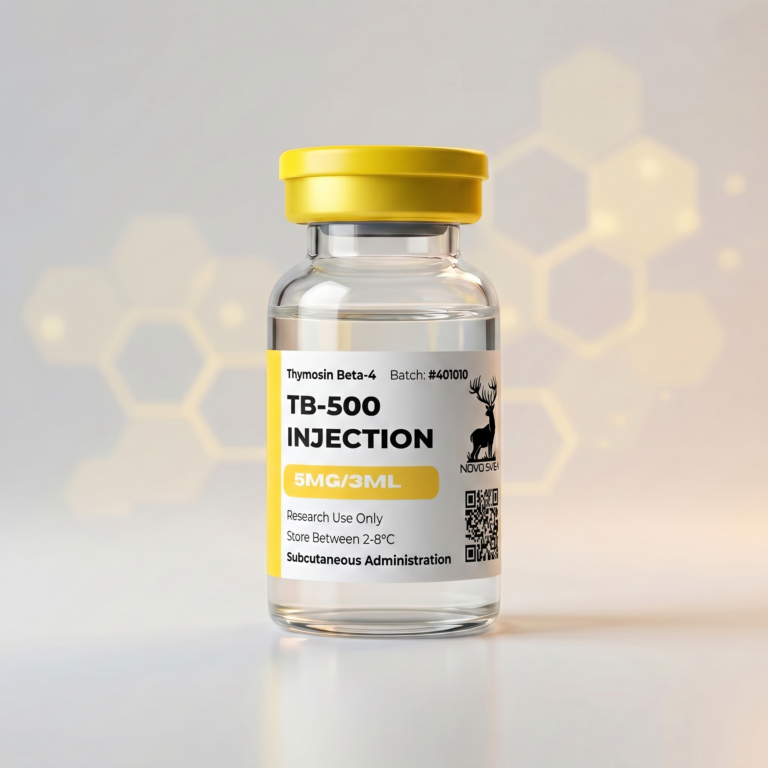
TB-500: Peptide for systemic healing and flexibility
Overview
TB-500 is a synthetic version of Thymosin Beta-4, a naturally occurring peptide found in platelets and healing tissues. It is often mentioned in the context of sports recovery due to its potential impact on regeneration processes and mobility. However, evidence of its efficacy and safety in humans is limited.
How it works
TB-500 primarily works through the regulation of actin—a protein important for cell structure, movement, and migration. Research indicates a possible effect on the healing and regeneration processes of tissues, but the evidence of its effectiveness and safety in humans is still limited.
Key Benefits (What to Expect)
- Systemic tissue regeneration: It is being investigated for its possible effect on the healing processes of muscles, tendons, ligaments and skin, but there is not enough reliable clinical evidence in humans to confirm accelerated healing throughout the body.
- Improved flexibility and range of motion: It is being investigated for possible effects on mobility and tissue regeneration, but there is insufficient reliable evidence in humans that it reduces scar tissue or significantly improves flexibility.
- Potential Anti-Inflammatory Effects: TB-500 is being investigated for possible effects on processes associated with inflammation, but there is insufficient clinical evidence in humans to reliably relieve chronic joint pain or muscle fatigue.
Understanding side effects (what to look out for)
Although TB-500 is often described as well tolerated, the available data on its safety in humans are limited. Therefore, it is important to consider that potential side effects and long-term risks have not been sufficiently studied.
- Temporary fatigue: Individuals may report a transient feeling of fatigue or weakness after administration, but there is insufficient reliable clinical data to determine the frequency or cause of these symptoms.
- Headache or dizziness: Mild, transient headaches may occur during the first few days. Irritation at the application site: After application, slight redness or a burning sensation may occur at the application site.
Guideline Summary: TB-500 is a compound being investigated in the context of injury recovery and tissue regeneration support. Its potential systemic action is the subject of research, but currently there is not enough high-quality clinical evidence in humans to confirm that it is one of the most effective means for the comprehensive recovery of the organism.
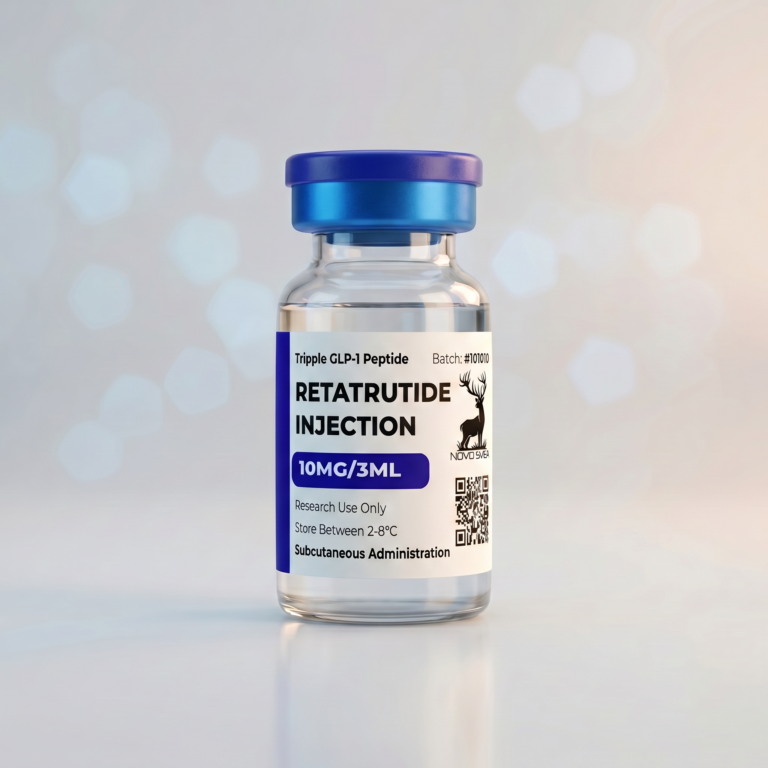
Retatrutide: A powerful triple agonist for weight management
Overview
Retatrutide represents an advanced approach in metabolism research. Known as a „triple agonist,“ retatrutide is being studied for its potential effects on body weight and metabolic processes. However, its safety and effectiveness are still being tested in clinical studies.
How it works
Retatrutide works by simultaneously targeting three different receptors: GLP-1, GIP and the glucagon receptor. These metabolic pathways are associated with the regulation of appetite, glucose and energy metabolism.
While GLP-1 and GIP participate in the regulation of appetite and glucose metabolism, activation of the glucagon receptor can affect energy expenditure. However, the claims of a significant increase in basal metabolism and burning more calories at rest have not yet been sufficiently confirmed in humans.
Key Benefits (What to Expect)
Maximum calorie consumption: May affect energy metabolism and fat oxidation, but claims of accelerated fat loss are not sufficiently supported by clinical evidence in humans.
- Potential appetite control: Retatrutide is being studied for possible effects on appetite and satiety, but its efficacy and safety are still being evaluated in clinical studies.
- Preservation of lean body mass: Retatrutide is being investigated for the possible reduction of body mass while preserving some of the lean body mass, but additional research is needed to confirm this effect reliably.
Understanding side effects (what to look out for)
Because of its potent pharmacological effects, retatrutide requires careful consideration of how the body responds to simultaneous stimulation of the three receptors. Since it is still in the clinical trial phase, its safety and long-term effects have not been fully established.
- Initial digestive problems: Mild to moderate nausea, vomiting or stomach discomfort may occur during the first weeks of use. Since retatrutide is still in the clinical trial phase, its side effect profile and long-term safety have not yet been fully established.
- Initial digestive problems: Mild to moderate nausea, vomiting or stomach discomfort may occur during the first weeks of use. Since retatrutide is still in the clinical trial phase, its side effect profile and long-term safety have not yet been fully established.
- Hydration and electrolyte needs: Changes in metabolism can affect the balance of fluids and electrolytes in the body. It is important to maintain adequate fluid intake, while additional electrolyte intake should only be considered with appropriate medical advice.
Summary of the guide: Retatrutide represents an advanced approach in the research of body weight regulation and metabolism. Although it shows promising results in clinical trials, its efficacy, safety and long-term effects are still being evaluated.
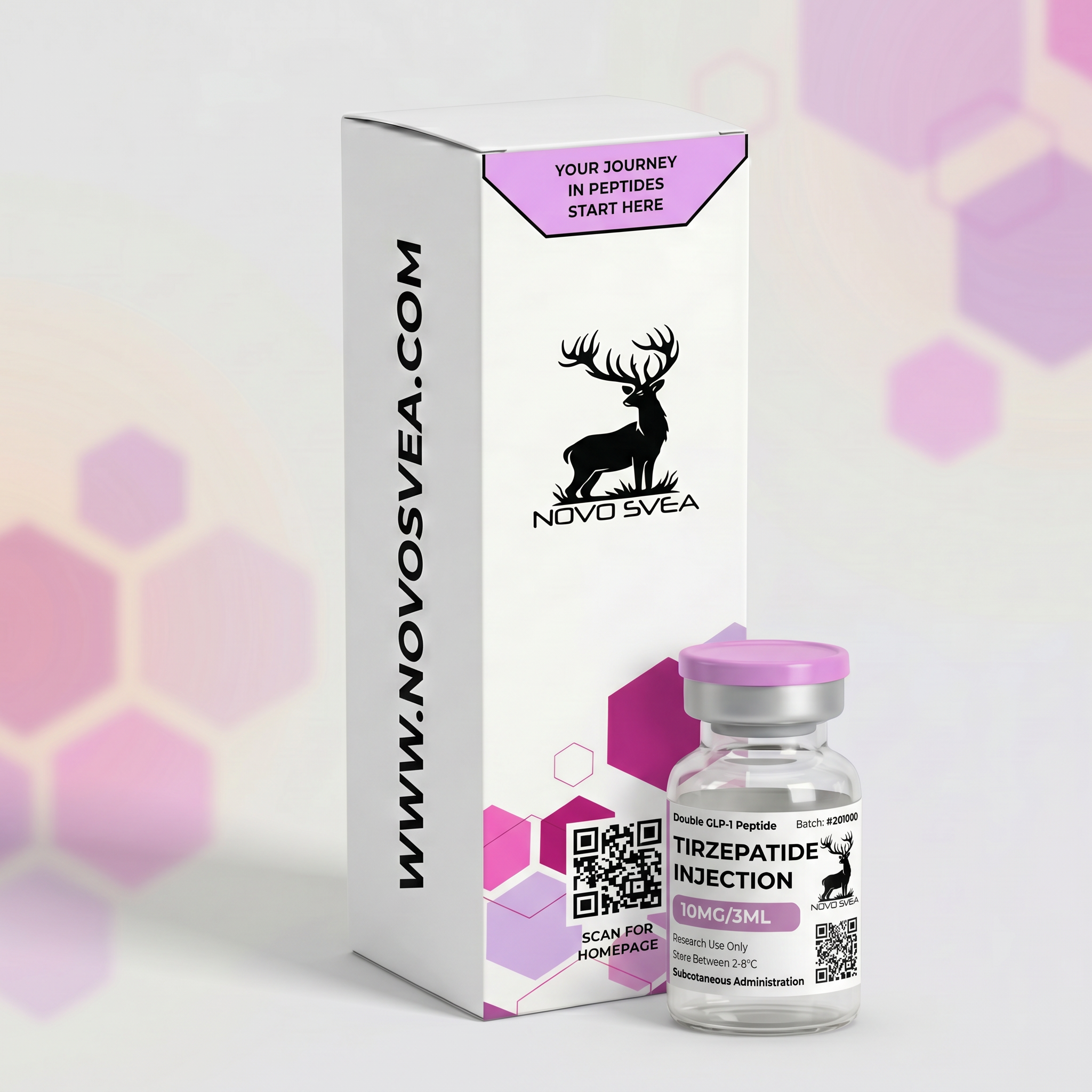
Tirsepatide: Advanced support for weight and metabolism regulation
Overview
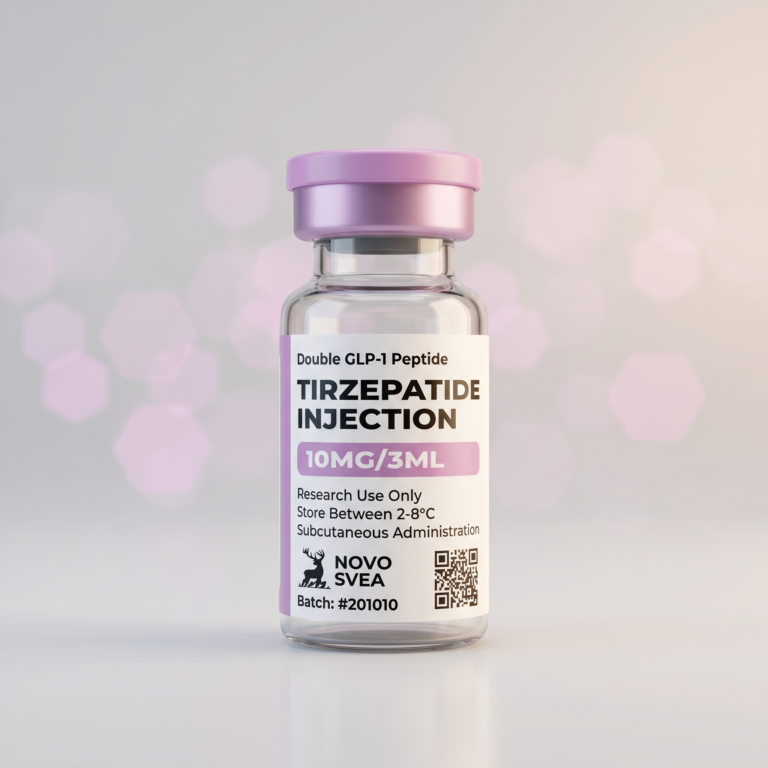
Tirzepatide is a drug that acts as a dual agonist of GLP-1 and GIP receptors and is being studied for the regulation of body weight and metabolism. It may affect appetite and blood glucose control, but its use and safety should be considered with appropriate medical supervision.
How it works
Tirzepatide simultaneously acts on two main metabolic pathways: GLP-1 and GIP receptors. By mimicking the action of natural gut hormones, it can slow gastric emptying, affect appetite, and improve glucose regulation and insulin sensitivity. Therefore, it is used and studied in the context of weight control and metabolism.
Key Benefits (What to Expect)
- Significant and gradual weight loss: Tirsepatide may contribute to weight and fat loss, especially in people for whom it is prescribed for an appropriate medical indication.
- Advanced Appetite Control:It can reduce the feeling of hunger and increase the feeling of satiety, which can make it easier to control food intake. It can also improve insulin response and blood glucose regulation, contributing to better metabolic control.
Understanding side effects (what to look out for)
For safe use, it is important to be aware of possible side effects, especially digestive problems, while the body adapts to the drug. Tirsepatide should be used as directed by your doctor.
- Mild gastrointestinal problems: Initially, nausea, bloating, heartburn or mild changes in bowel movements such as constipation or diarrhea may occur.
- Decreased sense of hunger: Due to a possible pronounced decrease in appetite, some people may have difficulty ingesting enough food and necessary nutrients. A balanced diet and adequate protein intake are important for maintaining health.
- Mild fatigue: A temporary feeling of fatigue may occur during the first few weeks, especially if food intake is reduced.
Summary of the guide: Tirsepatide is a drug used to regulate body weight and metabolic health in appropriate medical indications. It can help with weight loss and appetite control, but should only be used as directed by a healthcare professional.
Melanotan 2: An advanced peptide for pigmentation and skin darkening
Overview
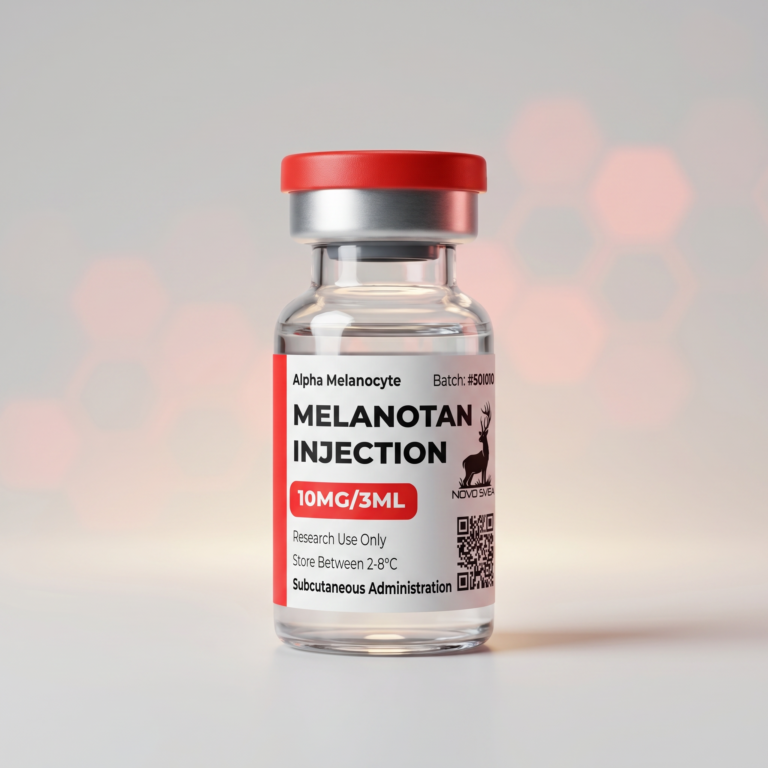
Melanotan 2 (MT2) is a synthetic analog of a hormone that stimulates melanocytes and affects melanin production. It is being investigated for its effect on skin pigmentation, but its safety and efficacy for achieving a tan have not been sufficiently confirmed for safe routine use.
How it works
Melanotan 2 works by directly binding to melanocortin receptors in the body. This interaction stimulates the natural production of melanin — the pigment responsible for skin color. By increasing the amount of melanin in the skin, it can affect its darker appearance and accelerate the tanning process.
Key Benefits (What to Expect)
Fast and intensive tanning: Provides a rich, uniform and longer-lasting tan with significantly less exposure to the sun or solarium.
- UV protection of the skin:The increased amount of melanin acts as a natural protection of the skin, reducing the risk of burns caused by the sun.
- Libido and appetite support: Activates certain pathways in the brain that can affect sexual drive and slightly reduce appetite.
Understanding Side Effects (What to Consider)
Melanotan 2 is very powerful, but due to its systemic action, certain temporary side effects may occur.
- Facial flushing and mild nausea:A short-term feeling of warmth in the face and mild nausea may occur shortly after application.
- Hyperpigmentation and freckles: Existing freckles or moles may darken temporarily, and new tiny pigment spots may appear.
- Spontaneous arousal:Due to its effect on certain receptors of the nervous system, there may be a noticeable increase in libido and involuntary bodily reactions.
Guide summary:Melanotan 2 is an experimental peptide that has been linked to increased skin pigmentation, but is not approved as a safe way to tan and should not be used as a substitute for UV protection.